
Pediatric Occupational Therapy
in Chatsworth, GA
Support for Children Developing Everyday Skills
As children grow, they develop skills that help them participate in everyday activities at home, at school, and in their community. When challenges with coordination, sensory sensitivities, or self-regulation make these activities difficult, occupational therapy can help your child build the skills needed for greater independence and confidence.
At Communication Station GA, our occupational therapists work closely with families to understand your child’s strengths and areas of difficulty. Through engaging, individualized therapy activities, we help children develop the practical skills they need to participate more comfortably in daily routines.
What Is Pediatric Occupational Therapy?
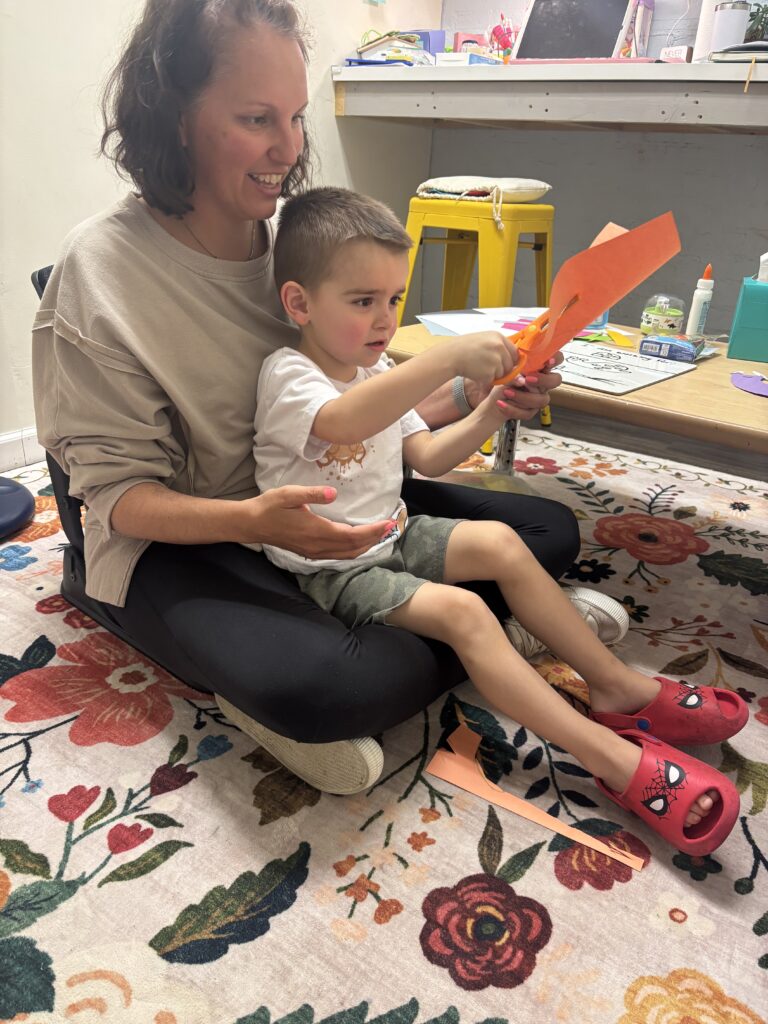
Pediatric occupational therapy focuses on helping children develop the skills needed for everyday tasks and activities. These skills support your child’s ability to learn, play, and participate in daily life.
Occupational therapy can help your child strengthen their:
- Fine motor skills (writing, drawing, and manipulating objects)
- Hand-eye coordination
- Sensory processing and regulation
- Attention and emotional regulation
- Daily living skills such as dressing or feeding themselves
- Tolerance for a wider variety of foods
Our occupational therapists will evaluate how your child moves, processes sensory information, and interacts with their environment to determine how therapy can best support their development.
Signs Your Child May Benefit from Occupational Therapy
Your child may benefit from occupational therapy if they:
- Struggle with fine motor skills (using scissors, utensils, etc.)
- Have difficulty with handwriting or classroom tasks
- Become easily overwhelmed by sensory input such as noise, textures, or movement
- Show challenges with attention, focus, planning, or organization
- Have trouble completing age-appropriate self-care tasks
- Avoid certain clothing, foods, or textures because they feel uncomfortable
- Have difficulty sitting still, focusing, or completing tasks
- Become easily frustrated when tasks feel challenging
- Struggle with emotional regulation or transitions between activities
Our Approach to Occupational Therapy
At Communication Station GA, our occupational therapists focus on helping your child develop skills that support everyday participation. Therapy sessions often include play-based activities designed to strengthen their coordination, improve their sensory regulation, and help them build confidence in completing tasks.
We work closely with parents throughout the therapy process so you can better understand your child’s needs and support their skill development at home. When appropriate, our occupational therapists also collaborate with speech-language pathologists and physical therapists to ensure your child receives coordinated care for all their developmental needs.
Skills Your Child Can Develop in Occupational Therapy
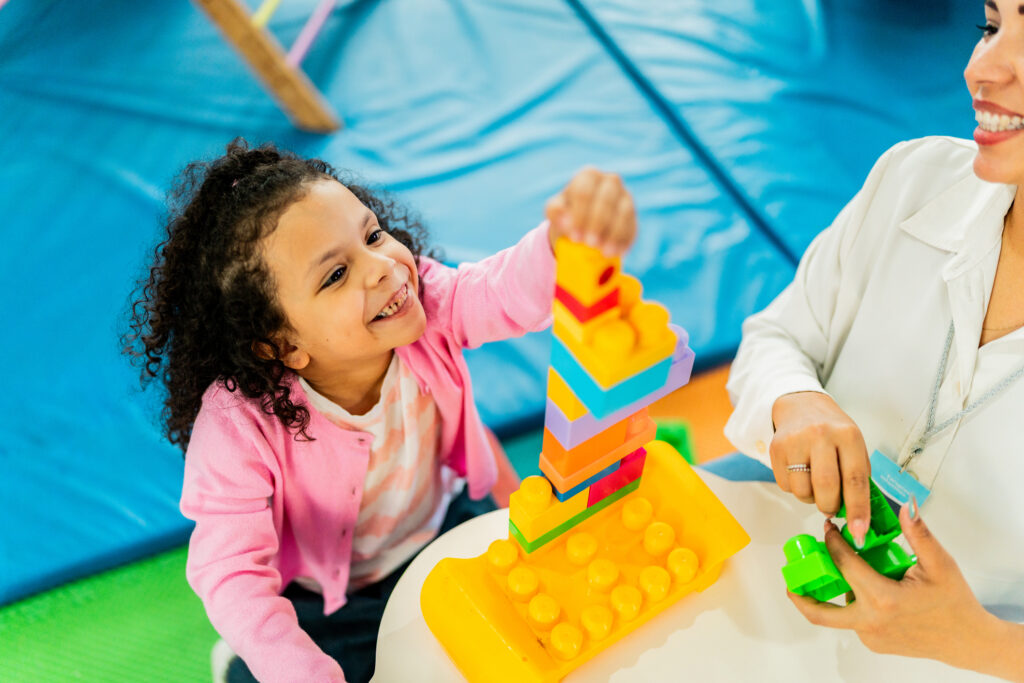
Occupational therapy can help your child learn to participate more successfully in school, play, and daily routines. With expert support, your child can achieve:
- Strengthened fine motor and hand coordination
- Improved handwriting and classroom skills
- Better sensory regulation
- Stronger attention and self-regulation skills
- Increases independence with everyday tasks
Why Families Choose Communication Station GA
Experienced pediatric therapists
Our team brings decades of experience helping children build developmental skills.
Whole-child
perspective
We consider sensory, motor, and developmental factors when creating your child’s therapy plan.
Encouraging therapy environment
Our goal is to create a supportive space where your child feels confident practicing new skills.
Reach Out Today to Get Started
If your child is struggling with daily tasks, sensory regulation, or fine motor development, our team is here to help. Contact Communication GA Station to schedule an occupational therapy evaluation and learn how we can support your child’s growth and independence.